

-
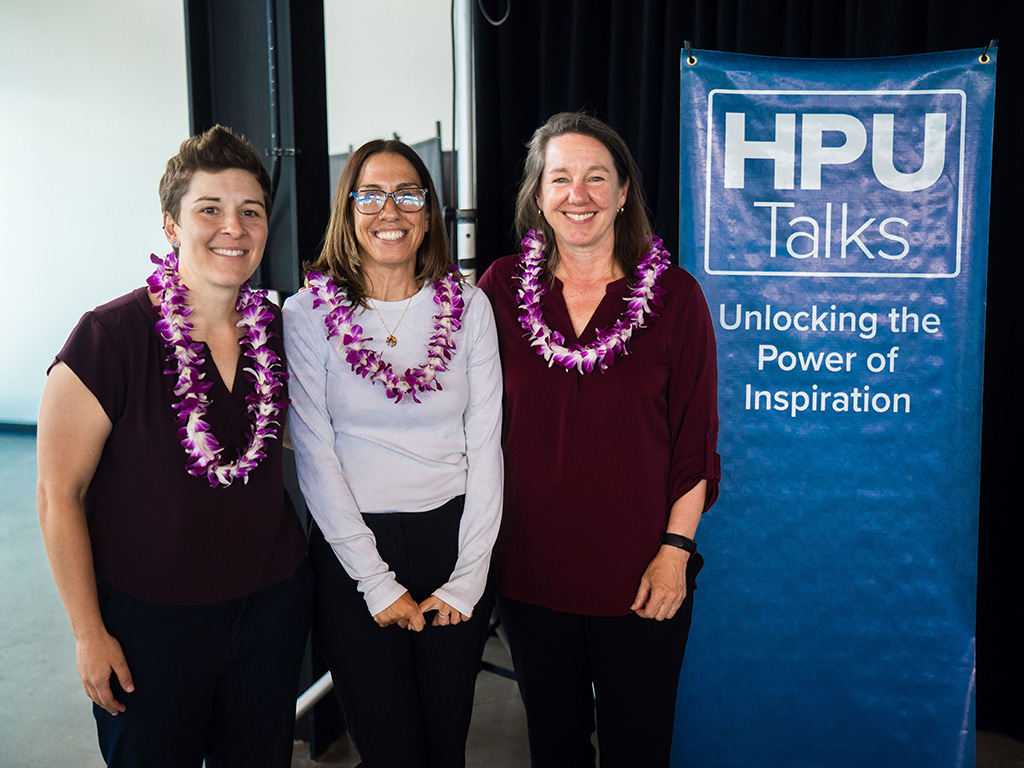
HPU faculty members (left to right) Carmella Vizza and Olivia Nigro, and Dean Brenda Jensen (far-right).
-
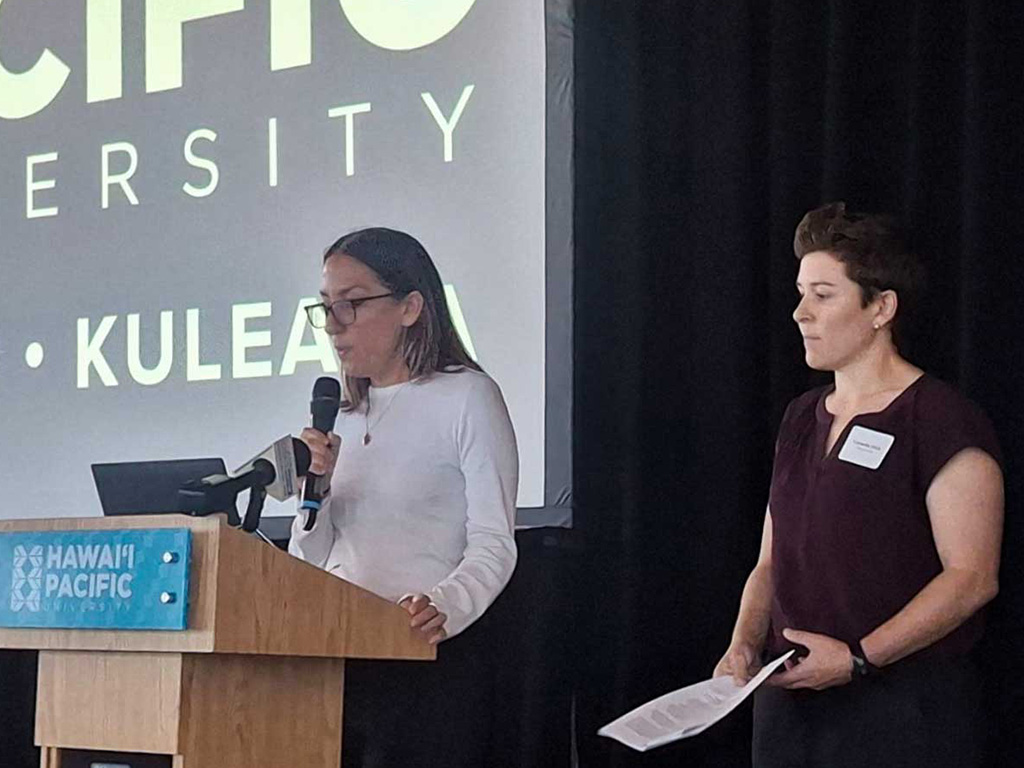
(Left to right) Oliva Nigro and Carmella Vizza speaking to the press before the symposium began.
-
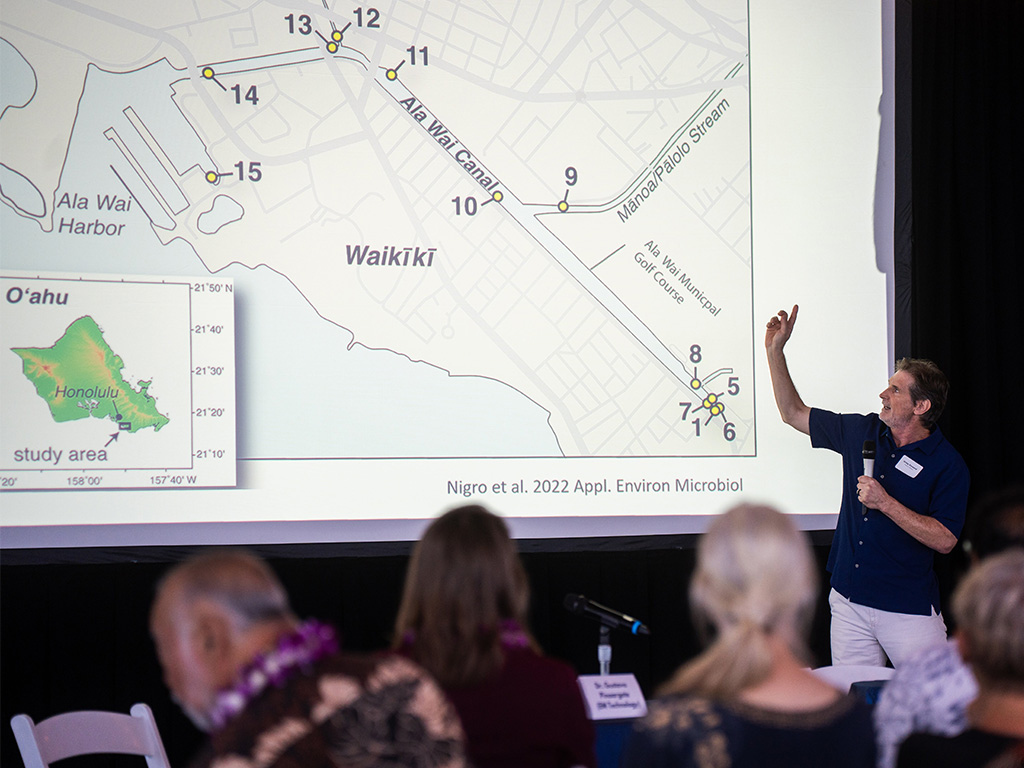
Keynote speaker Greig Steward, professor of oceanography at UH Manoa, spoke about the complexity of the Ala Wai Canal.
-
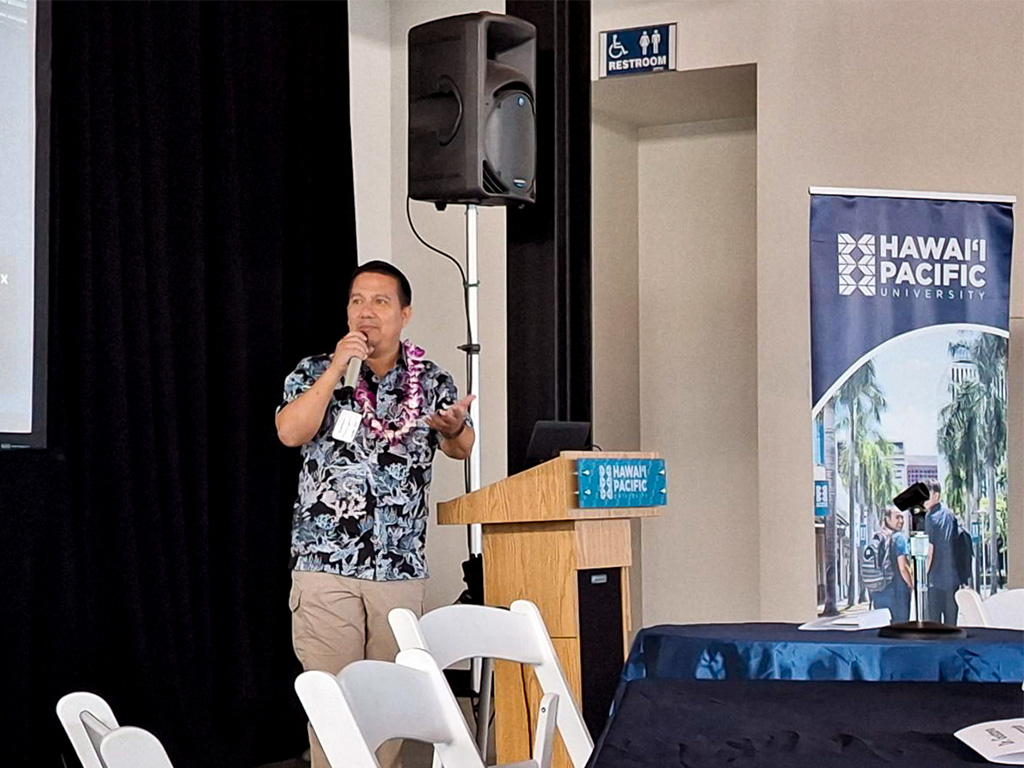
Gustavo Pinoargote, from EMRO USA, presented slides on the efficacy of EM conducted at Arizona State University.
-
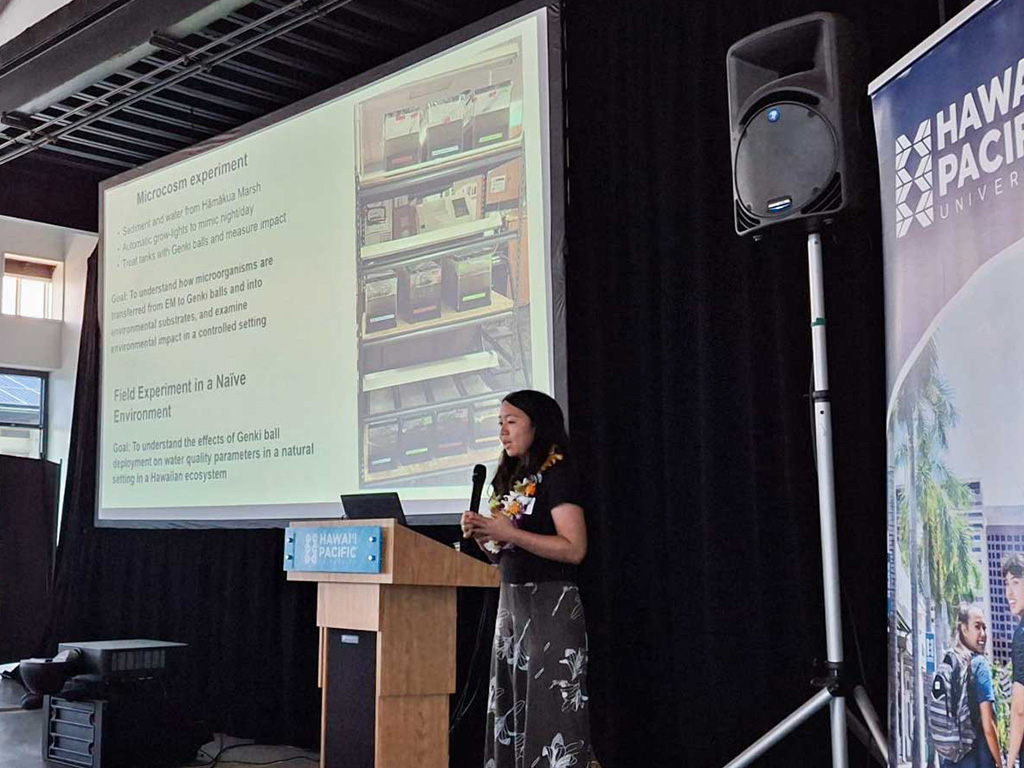
Oliva Nigro, Carmella Vizza, and UH Manoa graduate student Kacie Kajihara (pictured) presented data from their two-year study in Hamakua Marsh.
-
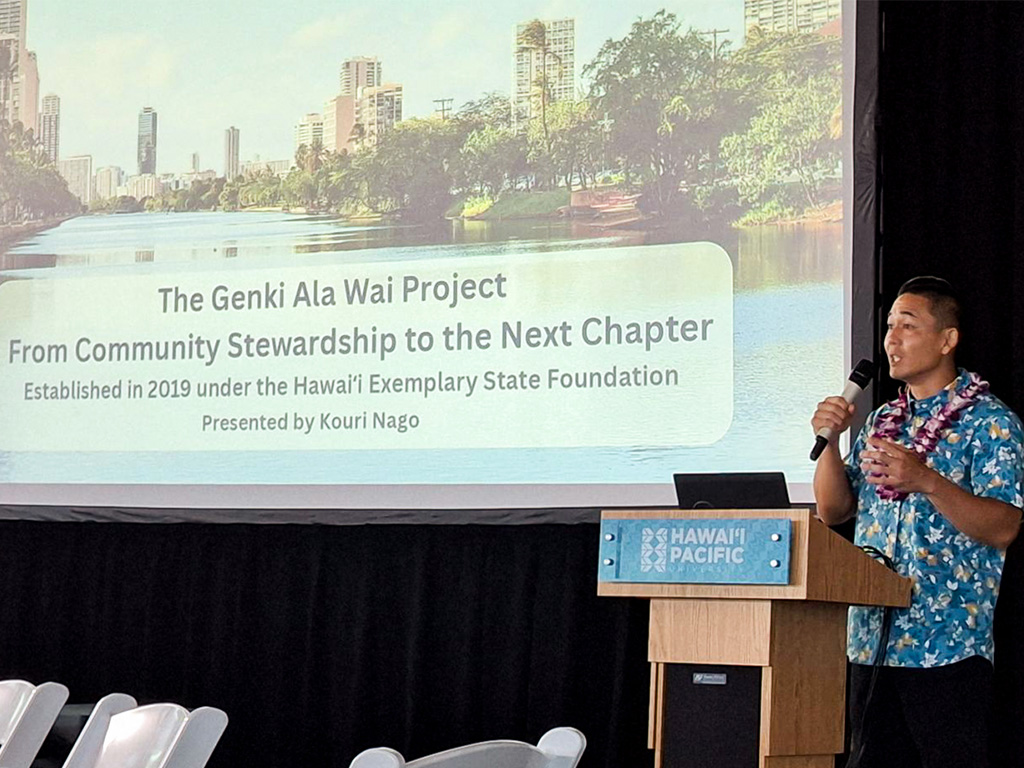
Kouri Nago of the Genki Ala Wai Project discussed reported decreases in sediment depth in the Ala Wai Canal.
-
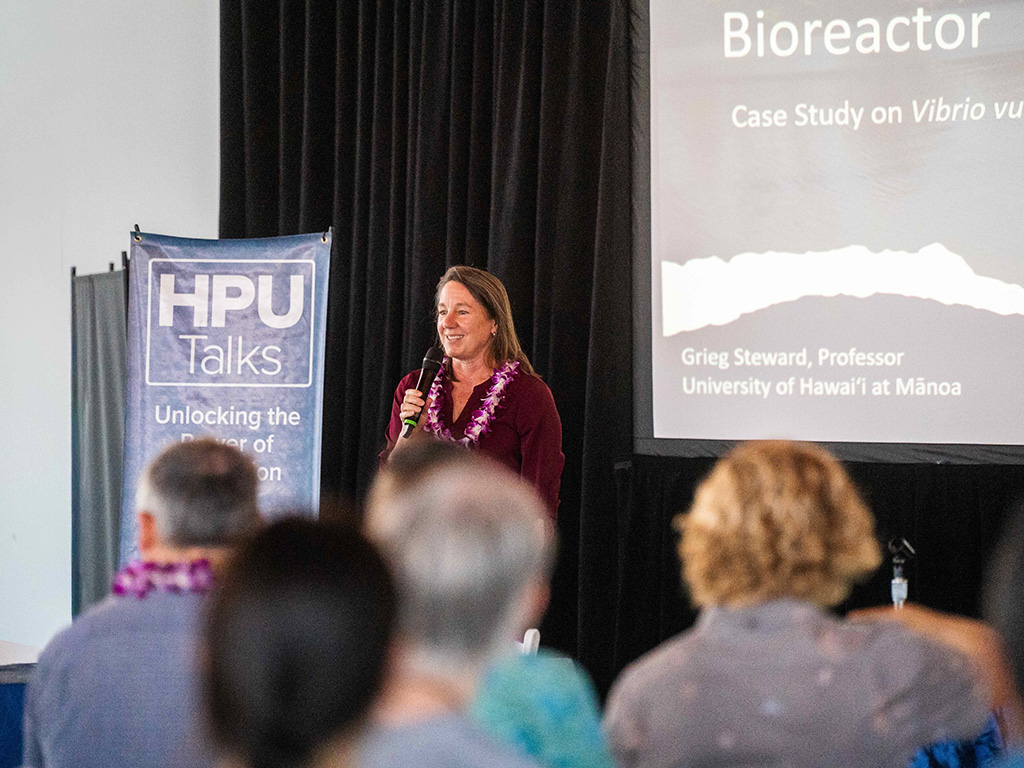
HPU Dean Brenda Jensen delivered the opening remarks to the symposium.
-
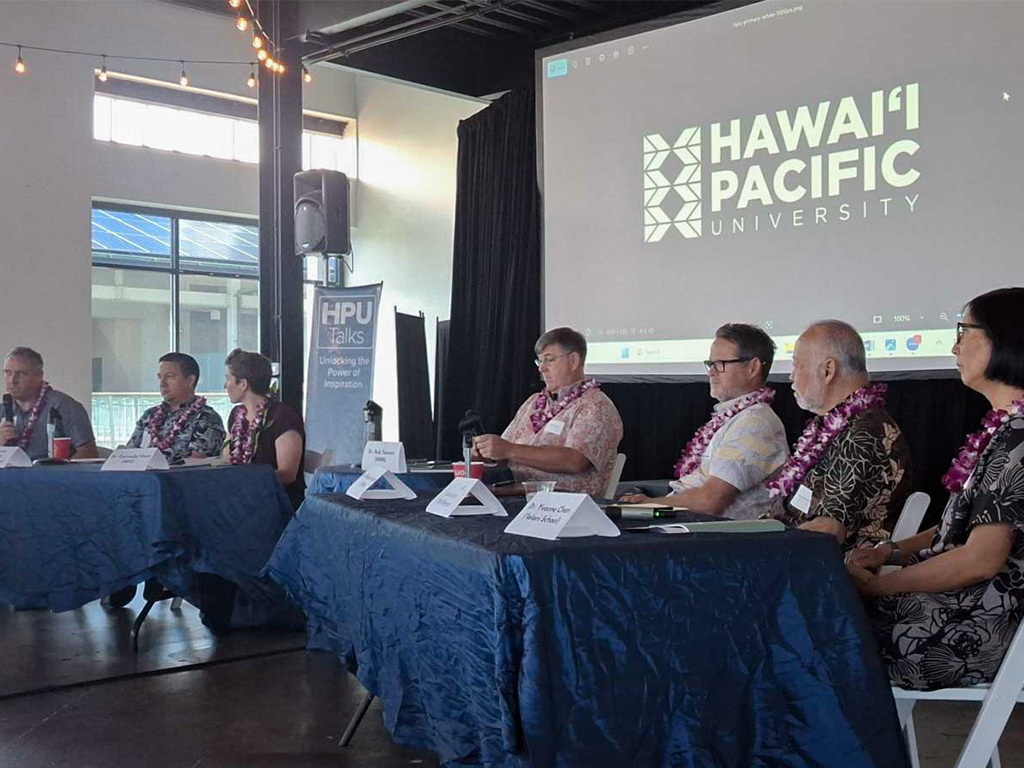
A group panel discussion during the symposium.
HPU hosted a research symposium and panel discussion on July 17 at its Aloha Tower Marketplace campus where scientists presented the findings of a two-year field and laboratory study, conducted with the University of Hawaiʻi at Mānoa (UH Mānoa), evaluating whether Genki balls improve water quality in Hawaiʻi’s waterways. These findings were presented alongside research conducted in the Ala Wai Canal, highlighting the system’s complexity and the difficulty of attributing changes in environmental conditions to individual bioremediation efforts.
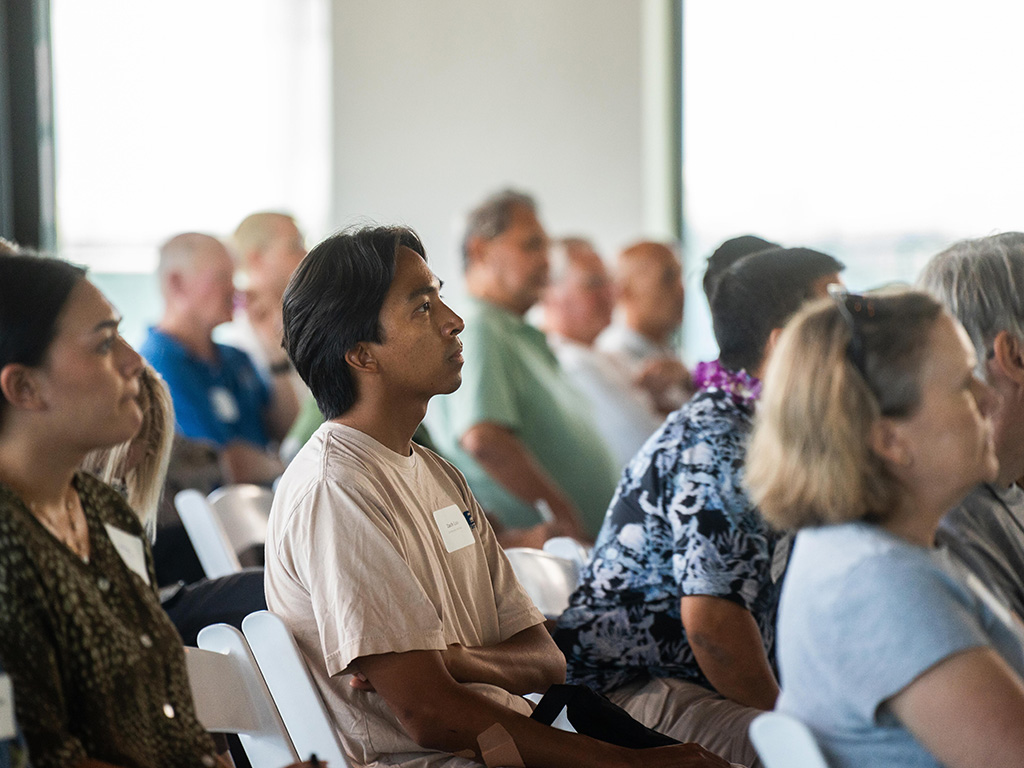
Audience members watch a presentation at the HPU Talks: Evaluating Genki Balls for Hawai'i's Waterways symposium on July 17.
Genki balls are fermented mud balls made from mud, rice bran and molasses, combined with a commercial product called Effective Microorganisms, or EM, which is marketed as containing lactic acid bacteria, phototrophic bacteria and yeast.
Tossed into waterways, the balls are intended to sink to the bottom, break down organic “sludge” and improve water quality. The best-known local effort, the Genki Ala Wai Project, has deployed hundreds of thousands of the balls into Honolulu’s Ala Wai Canal since 2019, supported by community volunteers and ongoing third-party monitoring. EM is produced by EMRO USA and distributed locally through partners including EM Hawaiʻi LLC.
Titled HPU Talks: Evaluating Genki Balls for Hawaiʻi’s Waterways, the symposium brought together researchers, educators, resource managers and community partners for an afternoon of evidence-based discussion. Opening remarks were delivered by HPU College of Natural and Computational Sciences Dean Brenda Jensen, Ph.D., followed by a keynote address from Grieg Steward, Ph.D., Professor of Oceanography at UH Mānoa.
According to Steward during his address, “[The Ala Wai Canal] is simple looking. Actually, as we quickly learned, it’s a very complicated system. There is a tremendous amount of spatial variability along the canal and also variability over time.”
Presentations throughout the afternoon followed from researchers at PacIOOS, UH Mānoa, The Nature Conservancy, EMRO USA and Hawaiʻi Green Growth, with a moderated panel led by Rob Toonen, Ph.D., Professor and Endowed Chair at the Hawaiʻi Institute of Marine Biology (HIMB), UH Mānoa.
The Genki Ala Wai Project and the HPU and UH Mānoa research team were each given equal time to present their findings and equal representation on the panel.
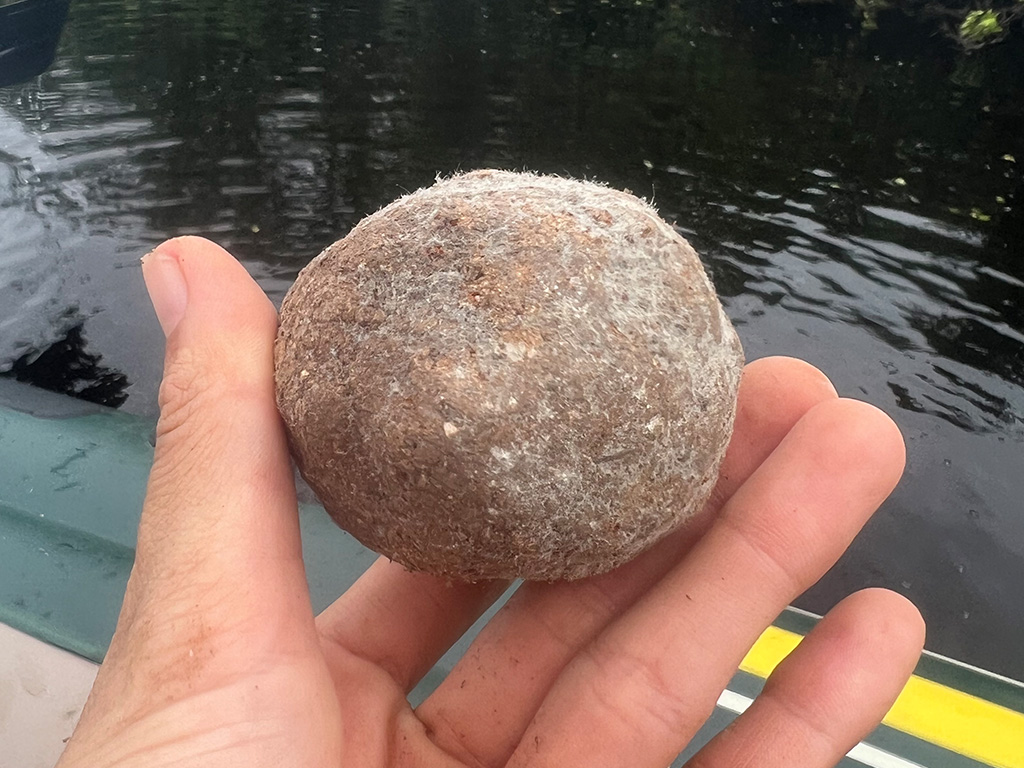
A Genki ball.
HPU Assistant Professor Carmella Vizza, Ph.D., and HPU Associate Professor Olivia Nigro, Ph.D., along with HIMB graduate student Kacie Kajihara, presented data from their two-year study in Hāmākua Marsh, described below. They emphasized that although Hāmākua Marsh is not identical to the Ala Wai Canal, this is, to their knowledge, the first study evaluating Genki Balls in Hawaiʻi or in any brackish estuary.
Kajihara also presented data generated in 2017 by the laboratory of UH Mānoa Research Professor Craig Nelson, Ph.D. Using methods similar to those used by Nigro and Vizza, the analysis detected many of the same microbial groups and similarly failed to detect others reported to be present in EM.
Gustavo Pinoargote, Ph.D., from EMRO USA, presented his studies on the efficacy of EM conducted at Arizona State University. These studies occurred in shrimp farms and primarily looked at the effects EM has on the microbiome of the shrimp gut. His studies showed that the shrimp guts were more stable when treated with EM, though the mechanism was not investigated.
Kouri Nago of the Genki Ala Wai Project discussed reported decreases in sediment depth in the Ala Wai Canal and described a July 2021 sampling event in which a sampler encountered an unexpected sinkhole and disturbed approximately 23 inches of sediment. Nago emphasized that the observation alone could not establish cause and effect but said it warranted continued monitoring and further scientific investigation.
During the 90-minute panel discussion, panelists discussed issues ranging from clarifying the exact microbiological mechanism purported to fuel Genki balls, to the role and responsibilities of state agencies, and the possible implications of the Genki Ala Wai Project on how the community perceives the Ala Wai Canal, bioremediation and science.
The discussion initially focused on the proposed scientific mechanisms underlying Genki balls, which panelists noted have not yet been clearly demonstrated. According to panelist and UH Mānoa Research Professor Michael Rappé, Ph.D.,“I think there should be a mechanistic understanding of what EM and Genki Balls are doing in the environment. One of the beauties of doing tank experiments, is you can dissect out the influence of some of these different environmental parameters, like temperature and salinity. I'm surprised that this hasn't happened yet, and these microorganisms are being thrown into the water.”
Later, the discussion turned to responsibility for evaluating the safety of Genki balls. Pinoargote acknowledged community concerns about protecting valued natural environments but argued that it is not feasible to test every possible effect of every material before use. He said that applicants should submit the available evidence through the permitting process and that regulatory agencies are responsible for rigorously evaluating the scientific literature and determining whether a proposed use is acceptable.
Other panelists, including Derek Esibill from Pacific American Foundation and Rappé, disagreed with this statement, stating that the onus should be on the entity who is altering the environment to provide evidence to the State that the treatment is effective.
Original Study Description
This symposium followed the release of a study from HPU that grew out of a 2022 inquiry by a state resource manager asking whether Genki balls could be evaluated scientifically for their effect on water quality. Vizza, an environmental scientist, began by reviewing what was already known.
“I found very little peer-reviewed research demonstrating that Genki balls could measurably improve water quality, and little publicly available information explaining how the technology worked,” Vizza said.
She partnered with Nigro to design a rigorous two-year study despite having no major funding. To ensure a fair test, the researchers sought input during the design phase, including from Hiro Nago, president of EM Hawaiʻi LLC, so that the experiments used sufficient quantities of Genki balls and ran long enough to detect a real effect if one existed.
In the laboratory, the team compared untreated control tanks with tanks receiving either the recommended dose of Genki balls or a dose 10 times higher. At the higher application rate, dissolved oxygen declined to zero and remained severely depleted for nearly a month, creating conditions that can stress or kill native aquatic organisms such as ʻoʻopu and āholehole. Phosphorus concentrations remained approximately 20 times higher than those in the control tanks three months after treatment, potentially increasing the risk of algal growth, while bacterial abundance increased in the short term.
In the field, the team conducted a two-year “Before-After-Control-Impact” experiment in the Kailua watershed, believed to be the first controlled field test of EM or Genki balls in a brackish estuary. The balls had no significant effect on any measure the team tracked, from dissolved oxygen and nutrients to bacteria and sediment. The researchers are careful to note that the field study was conducted at Hāmākua Marsh rather than the Ala Wai Canal, though the two systems are broadly comparable urban estuaries with similar temperature, salinity, pH and sediment characteristics.
Across the laboratory experiments and the field study, the research team found no evidence that Genki balls improved water quality, and in the laboratory found that high doses measurably degraded it.
“Our laboratory experiments produced several unexpected findings,” said Nigro, who co-led the research with Vizza. “At higher application rates, Genki balls caused oxygen levels in the water to drop to zero, and those low-oxygen conditions lasted for nearly a month.” The field study, she said, “showed that Genki balls did not improve water quality.”
To better understand the microbial composition of the EM product and the microbiome of Genki balls, the team collaborated with Rappé and Kajihara from the HIMB. That analysis detected only lactic acid bacteria in the EM product and did not find Rhodopseudomonas palustris, the organism often described publicly as the bioremediation “workhorse.” The product also contained a significant amount of Clostridium, a spore-forming microorganism that is not officially reported as a component of EM, including DNA sequences related to a recently described pathogenic species, Clostridium intestinale. Because EM is widely handled by community volunteers, including children, the researchers shared the finding with public health officials.
Conclusions
The HPU team has worked to share its findings broadly, presenting to the Kailua Neighborhood Board, the Hawaiʻi Conservation Conference, the Division of Aquatic Resources and other community and research audiences.
Beginning in October 2025, the team repeatedly sought to share its findings with the Hawaiʻi Department of Health, sending multiple emails and working through additional contacts in an effort to arrange a meeting. The researchers met with the department in May 2026, presented their findings and offered their data for regulatory evaluation. They report no follow-up requests to date.
Organizers said the symposium was less about Genki balls than about how Hawaiʻi evaluates environmental interventions and balances innovation with scientific evidence. They hope that the symposium will encourage state agencies to ask for more scientific rigor from companies like EMRO-USA that hope to deploy live microorganisms into bodies of water across the state.
“Our responsibility as scientists is not to advocate for a particular outcome,” Vizza said. “Our responsibility is to generate the best evidence we can, communicate it honestly, acknowledge its limitations, and share it with the people we have trusted to make decisions about our limited and valuable aquatic resources.”